Metronome
Set a slow tempo and count four clicks to a bar. Step on the first three clicks and tap on the fourth.
Bachata is a style of guitar music and a couple dance of the Dominican Republic. It grew from the bolero in poor rural and working-class communities. The bolero is a slow romantic song of Latin America. A typical group has five instruments: a lead guitar, a rhythm guitar, a bass, bongos and a metal scraper called the güira.
Listen for the high guitar that plays the notes of the chords one at a time. These broken chords sound above the steady pulse of the percussion.
Music: Envato
Most bachata songs are about love and heartbreak. A singer carries the melody over two guitars, a bass and two percussion instruments. The guitars sound high and bright, and the percussion keeps a steady pulse. The UNESCO listing describes the lyrics as deep feelings of love, passion and nostalgia.
The recordings below present the two percussion parts on their own. The first is the güira. It is a metal scraper played with a brush. The second is the martillo on the bongos. Martillo means hammer, and it is a steady pattern of eight strokes.
The requinto is the lead guitar. It plays riffs and broken chords around the melody of the singer. The segunda is the rhythm guitar, and it adds syncopation. The bass plays the low part and moves with the chords.
The bongos play accents and fills. When a group plays a bachata in the style of merengue, the percussionist changes from the bongos to the tambora. The tambora is a small drum held sideways and played with one stick and one bare hand.
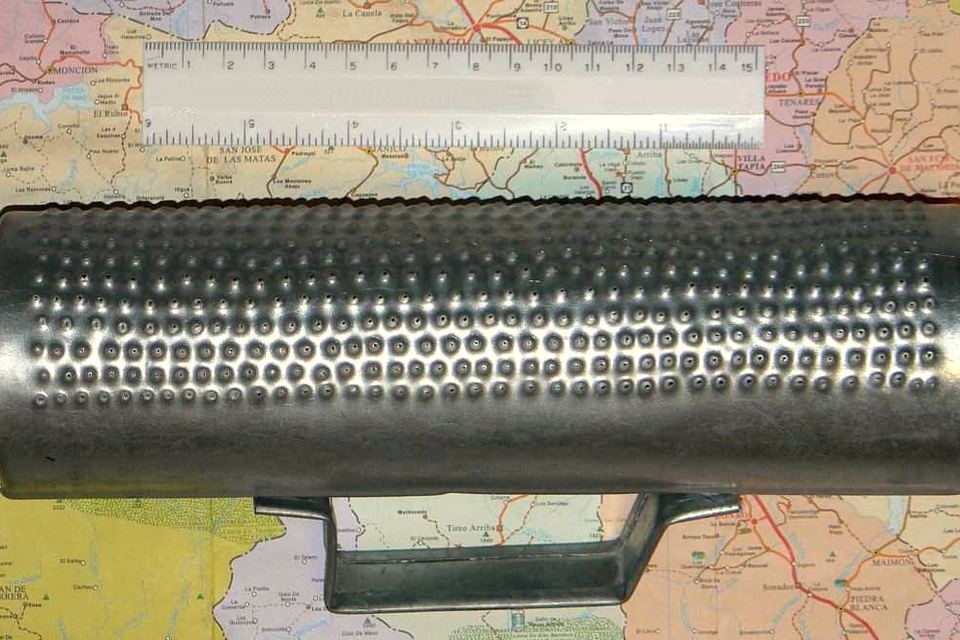
The güira keeps a steady pulse. It is a sheet of steel rolled into a cylinder and pressed with rows of small raised bumps. The player holds it by its handle and scrapes it with a stiff brush or a metal comb. A player of the güira is a güirero. Early groups used maracas. The güira took their place as bachata became dance music.
Early bachata used nylon-string guitars. Most groups today play electric guitars with steel strings, and their tone is brighter.
The requinto gives bachata its most familiar sound. The player picks the notes of a chord one at a time in quick patterns that repeat. These broken chords run high on the neck. They fill the spaces between the sung phrases. Between verses, the requinto plays short solos of its own.
Bolero guitarists across Latin America play broken chords in a similar way. Bachata keeps the patterns plain and steady. Many songs move among only a few chords, as boleros do, so the melody and the guitar stand out.
The recording plays broken chords in the style of the requinto on our recorded guitar. A bar holds one chord. The chords are A minor, D minor, E seven and A minor.
Bachata is in 4/4 time. A song moves through three sections. The derecho is the calm section of the verses. The majao is the stronger section of the choruses. The mambo is the most energetic section, and the guitar often plays a solo there.
In the derecho, the güira plays all the eighth notes evenly. The bongos accent beats one, three and four. In the majao, both instruments drop the off-beats and play only the four beats.
On the piano, a high note stands for the güira and a lower note for the bongo accents.
In the countryside of the Dominican Republic, the word bachata once meant an informal party with singing and dancing. The music drew on the bolero and on the guitar-playing singers of Latin American tradition. The UNESCO listing traces the music to a mix of the bolero with son, cha-cha-cha and merengue.
Under the dictatorship of Rafael Trujillo, people could not move freely around the country. When the dictatorship ended, many rural families moved to Santo Domingo. They brought their music to the poor neighborhoods of the capital. Local studios recorded the singers. At first, listeners took the records for a kind of bolero. Radio Guarachita, a station in Santo Domingo, was for years the main station that played them.
For decades, many wealthier Dominicans looked down on the music. Radio and television rarely played it, and its singers could not perform in upper-class halls. The music was heard in bars and in the countryside. Corner stores called colmados played the records on jukeboxes for their customers. People called the style amargue. The word means bitterness.
In later decades bachata moved into the mainstream. Groups changed to electric guitars and the güira, and the music became faster and more danceable. Migrants carried it to New York, and dancers in many countries later took it up.
Bachata musicians and dancers use Spanish words for the parts of the music. Several are everyday words with a special meaning in the music. Martillo, for example, means hammer. The table gives the meaning of the words that a student meets most often. A musician who plays the music is a bachatero, and a woman is a bachatera.
| Word | Meaning |
|---|---|
| Bachata | The music and the dance. The word once meant an informal party in the countryside. |
| Amargue | Bitterness. It was an early name for the music. |
| Requinto | The lead guitar |
| Segunda | The rhythm guitar |
| Güira | The metal scraper |
| Martillo | Hammer. In bachata it is the steady pattern of the bongos. |
| Derecho | The calm section of the verses |
| Majao | The stronger section of the choruses |
| Mambo | The most energetic section. It often has a guitar solo. |
| Colmado | A corner store. Its jukebox played the early records. |
Bachata is danced by couples. The basic pattern has eight counts. The dancers step on counts one, two and three and tap on four. They step back the other way on five, six and seven and tap on eight. A small lift or movement of the hip marks the taps. This movement of the hips sets bachata apart from the bolero.
The Dominican style is danced in a close hold, and the couple moves within a small square. Dance schools outside the Dominican Republic later spread a side-to-side pattern. Other styles add turns and figures from other dances. Many Dominicans learn the dance as children at family and community gatherings. The UNESCO listing counts more than a hundred academies and schools that teach it.
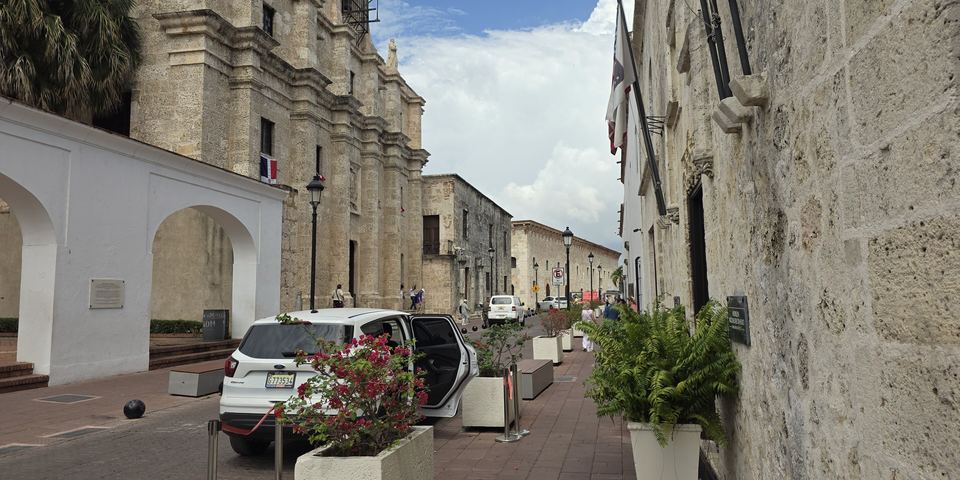
The home of bachata is the Dominican Republic. It is heard at family parties and community celebrations. Radio stations and the colmados of city neighborhoods play it too. Santo Domingo, the capital, was the center of its early recording and broadcasting.
Dominican communities carried the music to New York and to other cities of the United States. Dance schools in many countries now hold bachata classes and social dances. UNESCO added the music and dance of Dominican bachata to its list of intangible cultural heritage.
Play the piece at the top of the page. First, count four beats in a bar and find beat one. Next, listen for the highest part. In bachata, the requinto plays broken chords there, and they often fill the gaps between the sung phrases.
Then listen for the percussion. Notice whether a scraping sound keeps the eighth notes steady, and whether the drums mark the beats. Listen next for the low part and follow how it moves with the chords. Last, listen for a change in energy. In many songs the music grows stronger in the majao and the mambo.
Music: Envato
Start with the pulse. Scrape a steady line of eighth notes on any ridged surface, or clap them softly, while you count four beats. Then play the derecho pattern on the piano above and clap along with it.
On the guitar, learn the chords A minor, D minor and E seven. Pick the chords one note at a time, as in the recording of the requinto above. Keep the notes even and let them ring. When the pattern feels easy, sing a simple melody over it. To dance, practice the eight counts alone with the music before you dance with a partner.
Set a slow tempo and count four clicks to a bar. Step on the first three clicks and tap on the fourth.
Choose one answer per question.
Which instrument plays the lead guitar part in bachata?
The requinto plays the lead part. The segunda plays the rhythm part.
What is the güira?
The güira is a metal scraper. It keeps a steady pulse in bachata.
Which section of a bachata song is the most energetic?
The mambo is the most energetic section. The guitar often plays a solo there.
On which counts does the bachata dancer tap or lift the hip?
The dancer steps on three counts and taps on the fourth. The pattern repeats in the other direction, so the second tap falls on eight.
A typical group has a requinto for the lead, a segunda for the rhythm, a bass, bongos and a güira.
Bachata comes from the Dominican Republic. It grew in poor rural communities and later in the cities.
Bachata is in 4/4 time. In the verses the güira plays even eighth notes, and the bongos accent beats one, three and four.
The requinto plays riffs and broken chords around the melody. The segunda strums a steady rhythm with syncopation.
Amargue means bitterness. It was the early name of the music, before bachata became the usual name.
Yes. UNESCO lists the music and dance of Dominican bachata on its Representative List of the Intangible Cultural Heritage of Humanity.
The basic step has eight counts. The dancer taps on four and on eight, and a small movement of the hip marks the taps.
Both come from the Dominican Republic and use the güira. Bachata grew from the bolero and is slower. Merengue is faster. In merengue típico, the traditional country style, the accordion leads.
World MusicScrapersBossa novaMetronomeReggaeton