BPM finder
Tap along with a song. The finder shows its tempo in beats per minute.
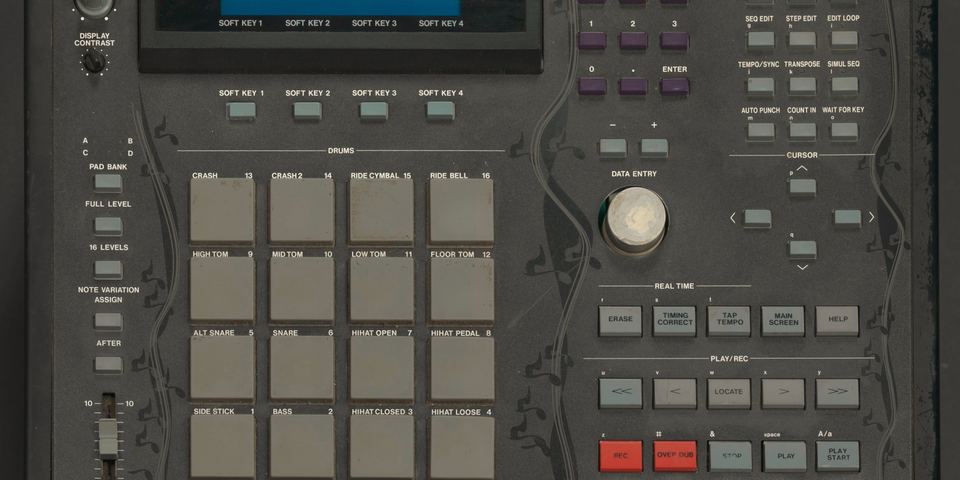
Reggaeton is a dance music sung or rapped in Spanish. It grew from Spanish-language reggae in Panama and took its shape in Puerto Rico. Its beat is called the dembow. The bass drum strikes all the beats, and the snare strikes between the beats. Together they make the familiar “boom-ch-boom-chick.”
Listen for the “boom-ch-boom-chick” of the dembow once the drums enter.
Music: Envato (LumenMedia)
Count four beats, and divide the beat into four short steps. The bass drum plays on the first step of all four beats. The snare plays on the fourth step of beat one and on the third step of beat two. Beats three and four repeat this pattern.
In a pair of beats, the first bass stroke and the two snare strokes fall three steps and three steps apart. The next bass stroke follows two steps later. This grouping of three, three and two is the tresillo, the same figure that opens the clave rhythm. The second bass stroke of the pair falls between the two snare strokes.
The first recording is a reggaeton groove on a bass drum and a snare. On the piano, a low note plays the bass drum part and a higher note plays the snare part.
Jamaican dancehall producers created this rhythm on drum machines and electronic keyboards. Jamaicans call such a rhythm track a riddim. Several dancehall riddims of the time shared the same “boom-ch-boom-chick” sound. This one took its name from a dancehall song called “Dem Bow.”
Producers in Puerto Rico later sampled instrumental versions of these riddims. A dub mix of one Jamaican track became the most used of them. The producers looped the drums and built new songs over them. The word dembow then came to mean the beat of the whole new music. Today dembow means the drum pattern of reggaeton. Producers vary its sounds, but its “boom-ch-boom-chick” stays the same.
Panama has a long tradition of reggae. Many Panamanians descend from Jamaican and Barbadian workers who came to build the canal. Their families kept close ties to the music of the English-speaking Caribbean.
Panamanian artists began to sing reggae and dancehall in Spanish. They sang Spanish words over Jamaican dancehall songs and riddims, and they often sped the riddims up. Some of their songs spoke of the discrimination that Black Panamanians faced. This music is called reggae en español. In Panama it is also called plena panameña. Its records soon reached Puerto Rico.
In Puerto Rico, Spanish reggae joined with hip hop in a scene called underground. Young artists recorded it on second-hand equipment in public housing projects called caseríos. They also recorded in the carports of family houses. Puerto Ricans call a carport a marquesina. DJs spread the music on mixtape cassettes and at a few clubs. The cassettes were sold on the street and from the trunks of cars.
The government of Puerto Rico campaigned against underground music. Police took cassettes from record stores in San Juan, and the schools banned the music. Even so, the cassettes reached middle-class teenagers and private schools. The style took the name reggaeton. The name joins the word reggae to the Spanish ending -tón. The Puerto Rican Academy of the Spanish Language recommends the spelling reguetón. The music spread across Latin America and then far beyond it.
Producers make reggaeton with drum machines, synthesizers and samplers. The dembow runs under the whole song. Above it, a synthesizer or a sampled instrument plays a short repeating figure, and a deep bass follows the chords.
Singers usually sing or rap in Spanish, and many mix the two. A song follows the shape of a hip hop song. It has verses and a chorus, and some songs add a bridge. The chorus, the coro, returns several times. It carries the hook, which is the short, catchy phrase that listeners remember. A sparser and sharper form of the dembow later became common, and it leaves more room for syncopation.
Reggaeton is sung in Spanish, and most of its words come from the Spanish of Puerto Rico and Panama. Some of them are older Caribbean words that took on a new meaning in the music. The most common terms appear in the table below. The English word underground also became a Spanish name for the early music of Puerto Rico.
| Word | Meaning |
|---|---|
| Reguetón | The spelling that the Puerto Rican Academy of the Spanish Language recommends |
| Dembow | The drum pattern of reggaeton. Its name comes from a Jamaican song. |
| Perreo | The dance of reggaeton |
| Sandungueo | Another name for the dance |
| Marquesina | A carport. Early artists recorded and held parties there. |
| Caserío | A public housing project in Puerto Rico |
| Coro | The chorus of a song |
| Underground | The early name of the music in Puerto Rico |
| Reggae en español | The Spanish-language reggae of Panama |
Perreo is the dance of reggaeton, and sandungueo is another name for it. It grew in Puerto Rico from Afro-Caribbean dance traditions and from the dance of Jamaican dancehall. It first spread in the clubs of the Black urban neighborhoods of the island. Dancers move the hips in time with the dembow. They dance alone or with a partner, and they often improvise. In many older couple dances the partners face one another. Perreo broke with that custom. It drew criticism at first, and it is now danced at parties across the Spanish-speaking world.
Reggaeton has two homes. Panama City gave it Spanish-language reggae. San Juan and the towns around it, such as Carolina, gave it the underground scene and the name. Clubs in these towns and the marquesinas of family houses were its first stages.
From Puerto Rico the music spread to Cuba, the Dominican Republic, Colombia and Venezuela. It also reached the Latino communities of the United States. DJs in Miami and South Florida were among the first to play it on the mainland. Reggaeton is now one of the most popular styles of the Spanish-speaking Caribbean and of Latin America. It is played in clubs and at festivals in many countries.
Find the bass drum of the piece first. Count four beats in a bar along with it. Next, listen for the higher drum between the beats. Say “boom-ch-boom-chick” quietly and check whether it matches the drums.
Then listen above the drums. Find the shortest figure that repeats, and count how many bars it lasts. Listen next for the lowest notes and notice when they change. Notice too how the texture changes. Producers often drop the drums for a moment and bring them back, so the beat returns with more force.
Music: Envato (LumenMedia)
Tap the bass drum part on a table with one hand. Keep four even beats. Add the snare part with the other hand. Say “boom-ch-boom-chick” to feel the three, three and two.
The pattern stays the same from bar to bar. The bass drum stays on the beat. The snare falls one step before beat two and halfway through beat two, and again in the same places in beats three and four.
When the taps feel steady, build the beat in a drum machine or a music app. Place the bass drum on steps one, five, nine and thirteen of sixteen. Place the snare on steps four, seven, twelve and fifteen. Then add a bass note on the first beat of the bar.
Tap along with a song. The finder shows its tempo in beats per minute.
Choose one answer per question.
Where does the bass drum play in the dembow beat?
The bass drum strikes all four beats. The snare plays the pattern between them.
In a pair of beats, what grouping do the first bass stroke and the two snare strokes make?
The first bass stroke and the two snare strokes fall three steps and three steps apart. The next bass stroke comes two steps later. This grouping is the tresillo.
In which country did Spanish-language reggae grow before reggaeton?
Panamanian artists sang reggae in Spanish. Reggaeton later took shape in Puerto Rico.
What was a marquesina in the early Puerto Rican scene?
Marquesina is the Puerto Rican word for a carport. Early underground music was recorded in carports and in public housing.
It is a Spanish-language dance music from Puerto Rico and Panama. It mixes dancehall, hip hop and Latin American music over the dembow beat.
It is the drum pattern of reggaeton. A steady bass drum carries the beats. The snare strikes twice in a pair of beats, and with the first bass stroke it makes a figure of three, three and two.
Its roots lie in Spanish-language reggae from Panama. The genre took its name and its shape in Puerto Rico.
Reggae is Jamaican band music with short guitar chords on beats two and four. Reggaeton is electronic dance music in Spanish. Its beat is the dembow.
The pattern stays the same in all the bars. Producers build the rest of the song above it.
Drum machines, synthesizers and samplers make the beat. The voice carries the melody and the words.
Reggaeton, reggaetón and reguetón are all common spellings. The Puerto Rican Academy of the Spanish Language recommends reguetón.
Perreo is the dance of reggaeton. Dancers move the hips in time with the dembow. They dance alone or with a partner.
World MusicClave rhythmBachataBPM finderLevel 2