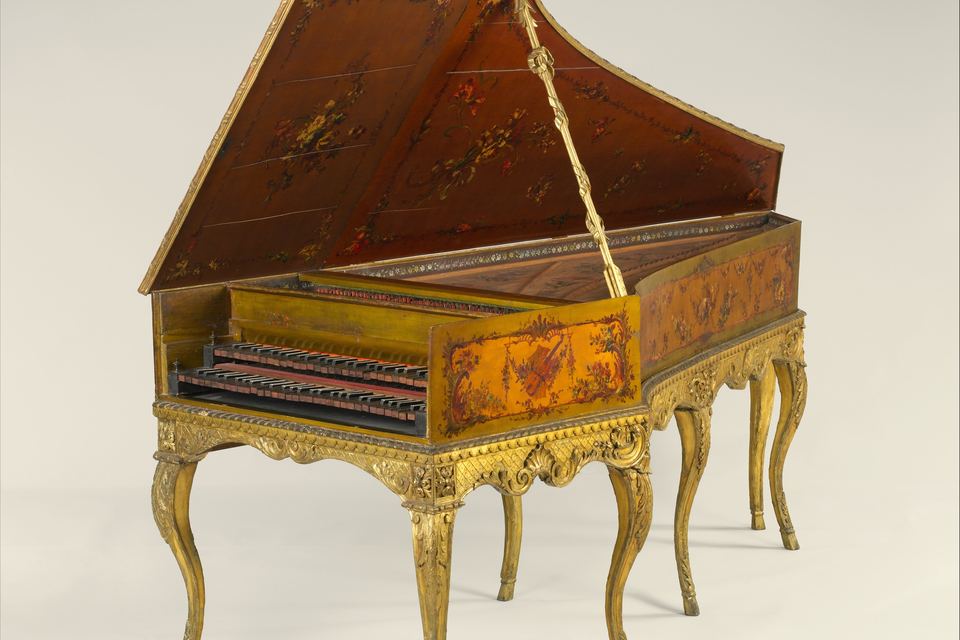
Online music school
Music lessons from a child's first song to college auditions
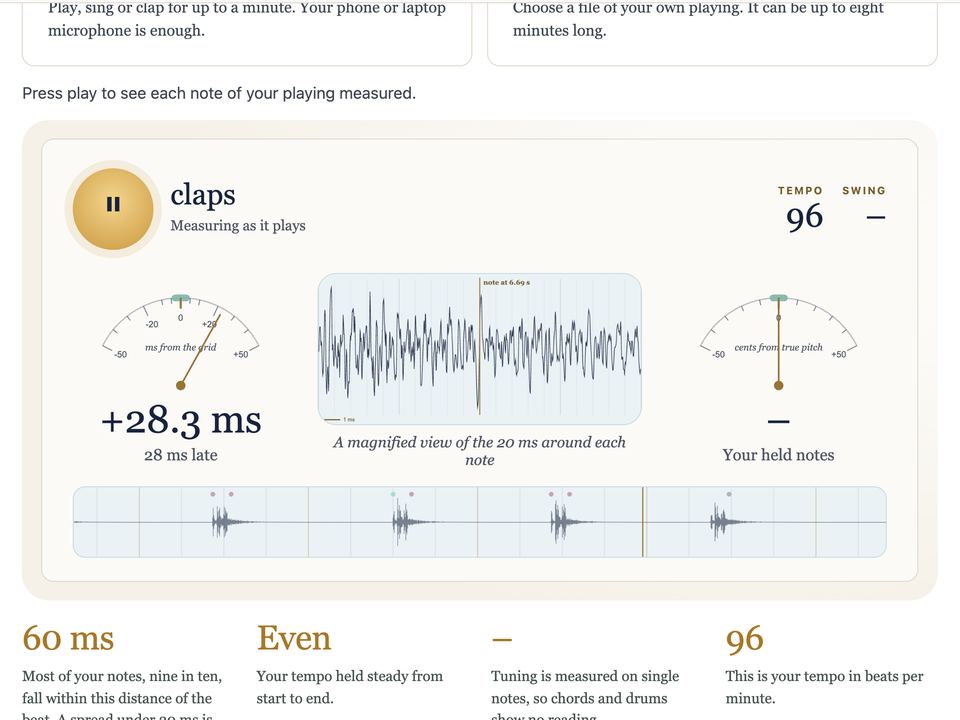
Students learn Western, Hindustani and jazz music at their own level. Practice tools measure the timing of a student's claps. They also measure the pitch and timing of the notes a student sings or plays.

μέλοςmelos, melody
Μουσικήmousikē, the Muses' art
ρυθμόςrhythmos, rhythm
The names on the globe lead to exam practice and audition guides.
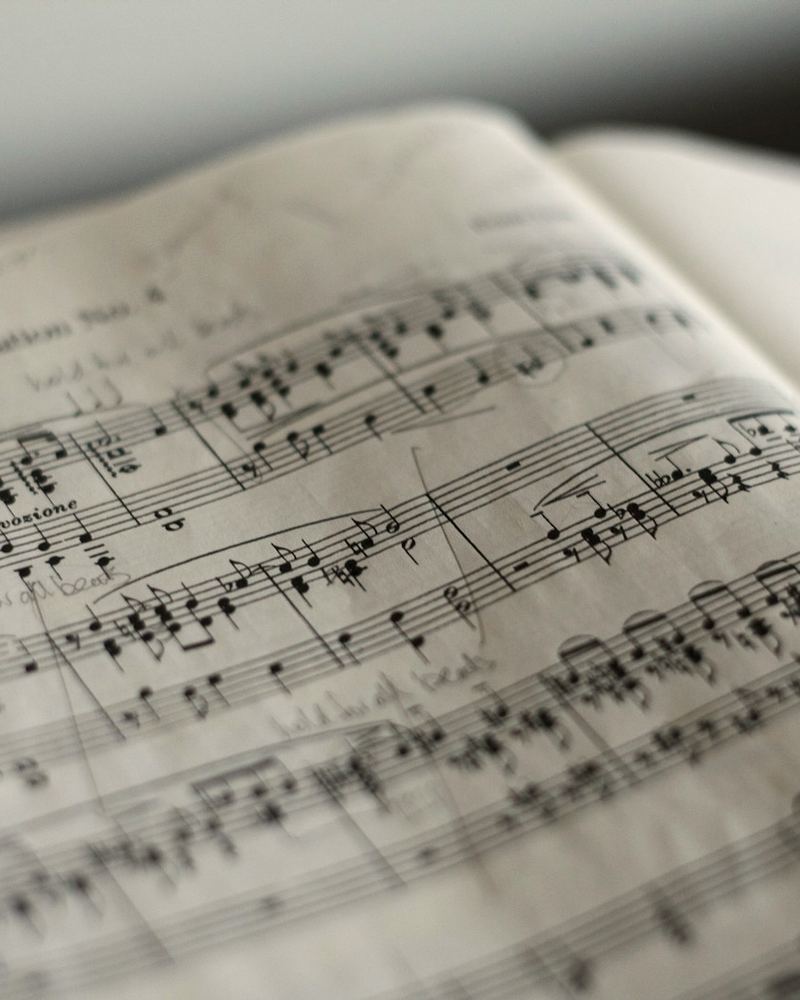
This short piano nocturne is in C major. The melody turns to A minor and climbs an octave. Then it returns softly to C. The wheel turns with the speed and loudness of the music.
Where to begin
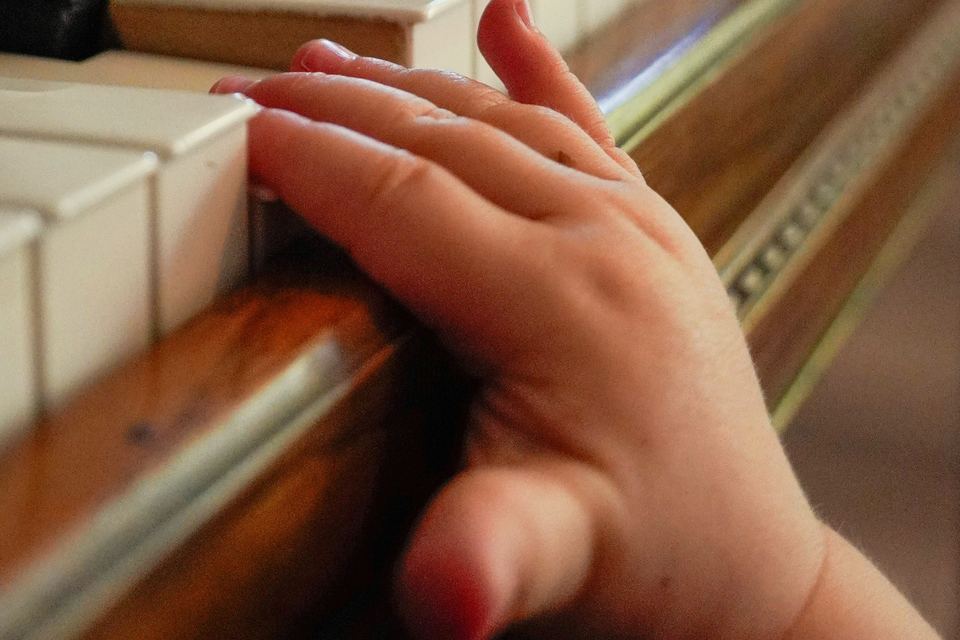
Ages 3 to 8
Early Years
In Levels 1 and 2, children sing simple songs, keep a steady beat and play their first notes on a keyboard.
- Simple songs
- Steady beat
- First notes
Ages 8 to 13
Building Years
In Levels 3 to 5, students learn to read music and to play scales and chords. They also learn to hear intervals. An interval is the distance between two notes.
- Reading music
- Scales
- Chords
Ages 14 to 18
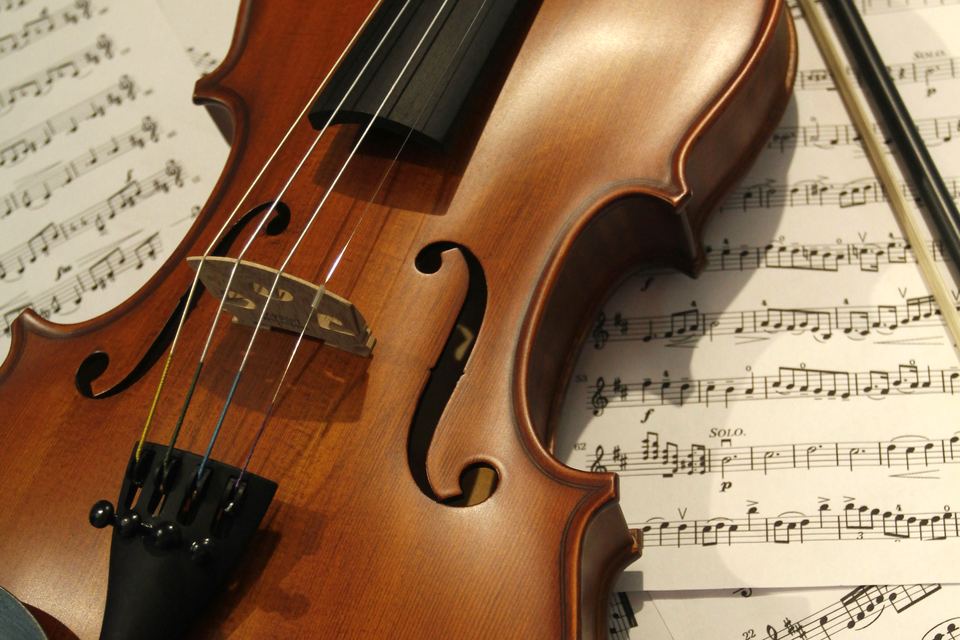
Advanced Years
In Levels 6 to 8, students study harmony and analysis. They prepare for the advanced exams of three music exam boards: ABRSM, Trinity and RCM. They also prepare for the AP Music Theory exam.
- Harmony
- Analysis
- AP Music Theory
Older students
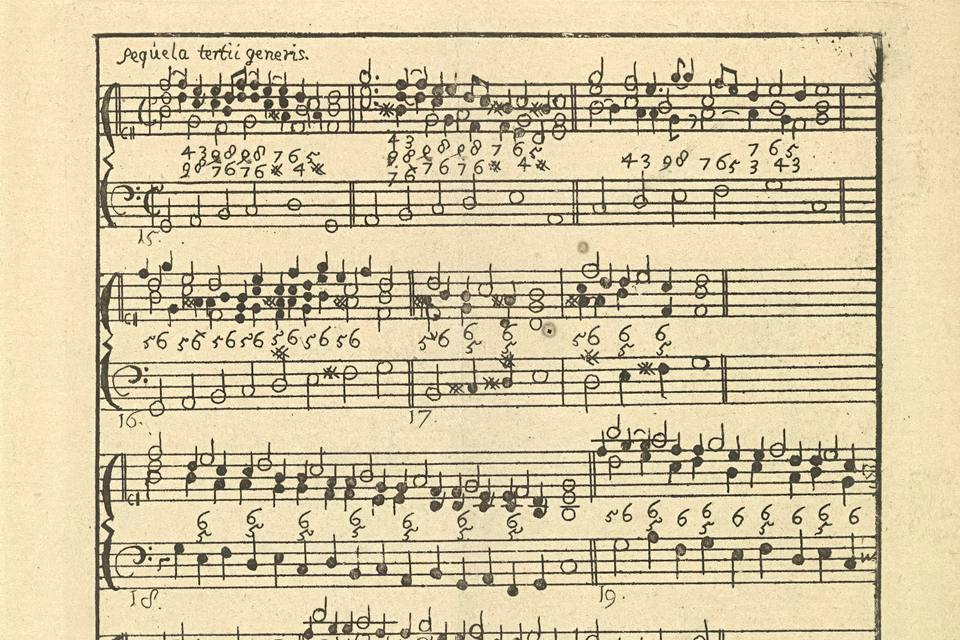
Career Preparation
Older students prepare for college auditions. Career guides describe the work of composers, teachers, sound engineers and performers.
- Auditions
- Music careers
All ages
World Music
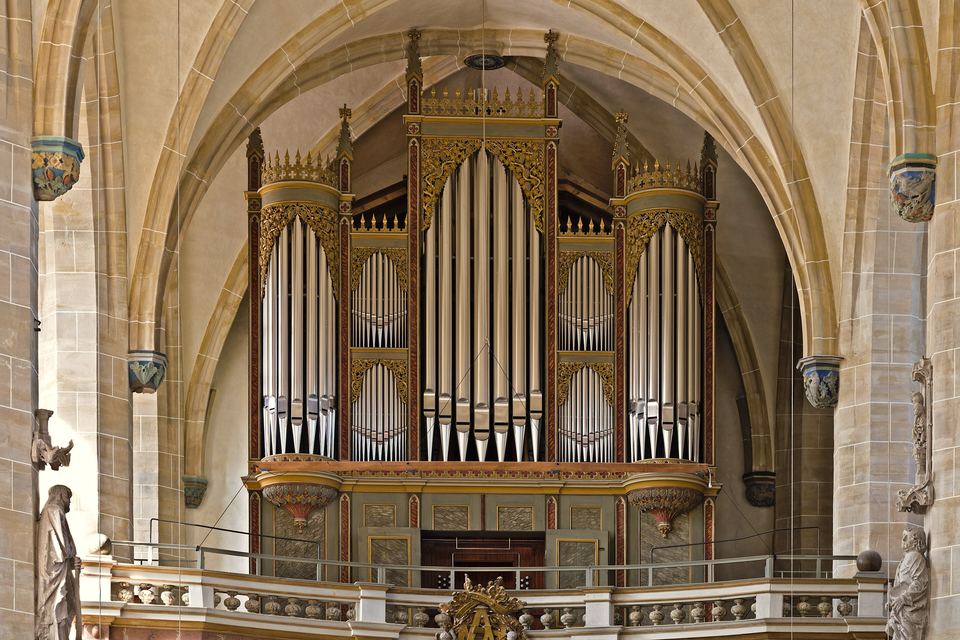
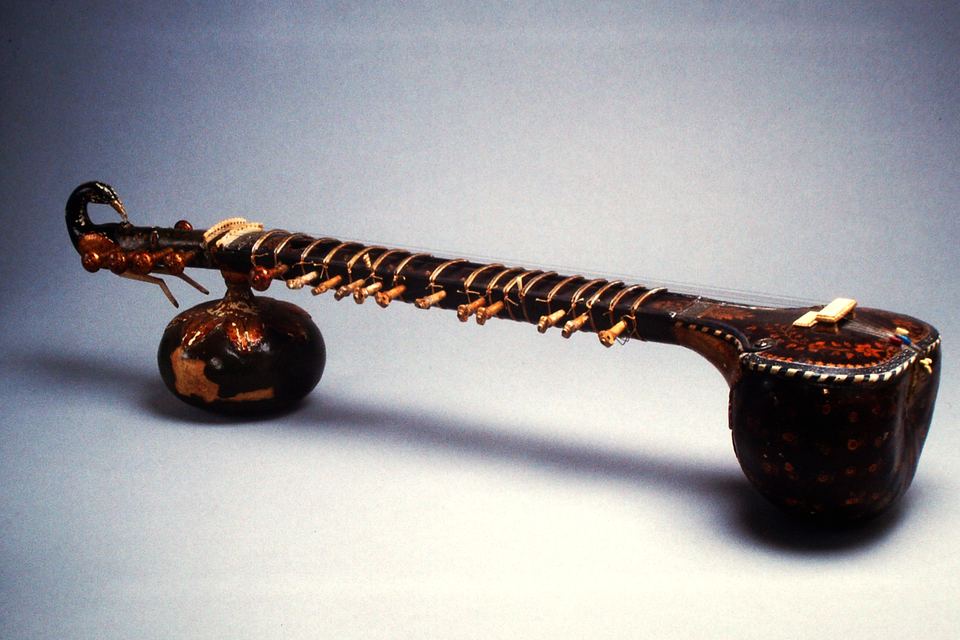
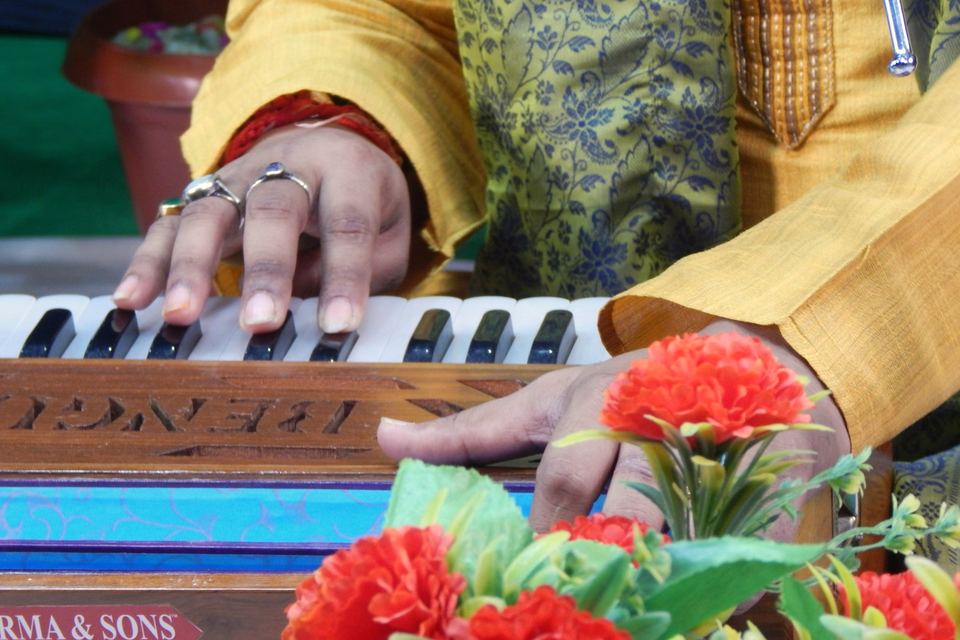
Students hear and play the instruments and rhythms of many cultures. The collection includes the sitar and the kalimba. World Music is free and separate from the levels.
- Instruments
- Rhythms
Photos: Unsplash and Wikimedia Commons
Photos: Unsplash
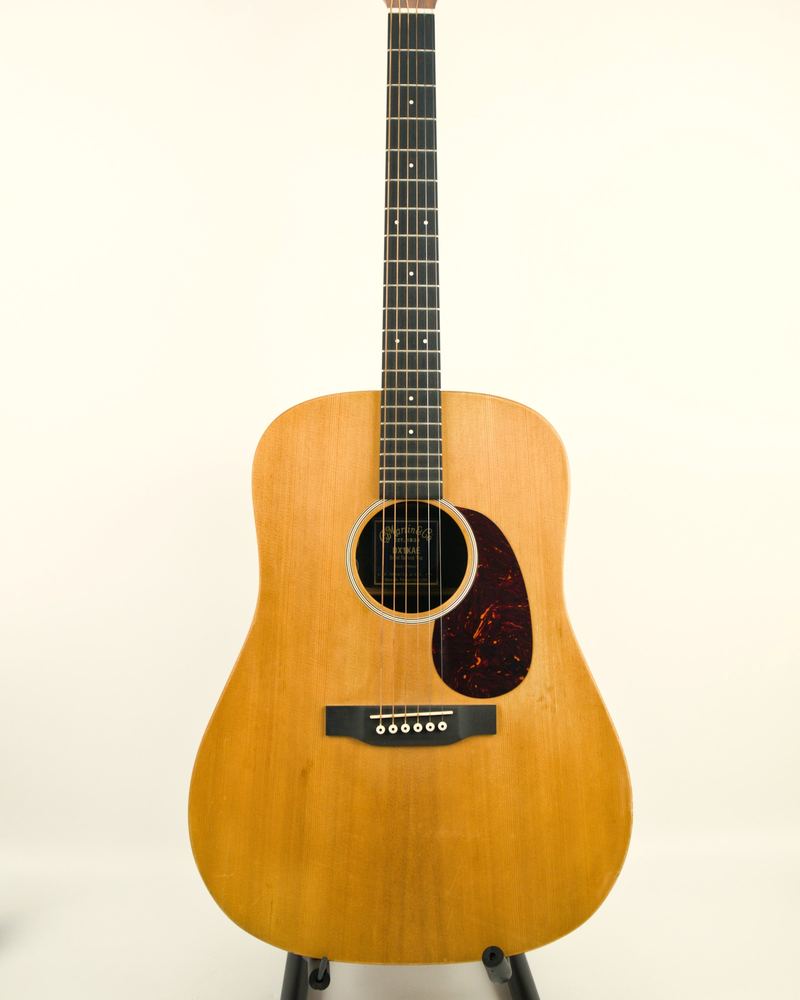
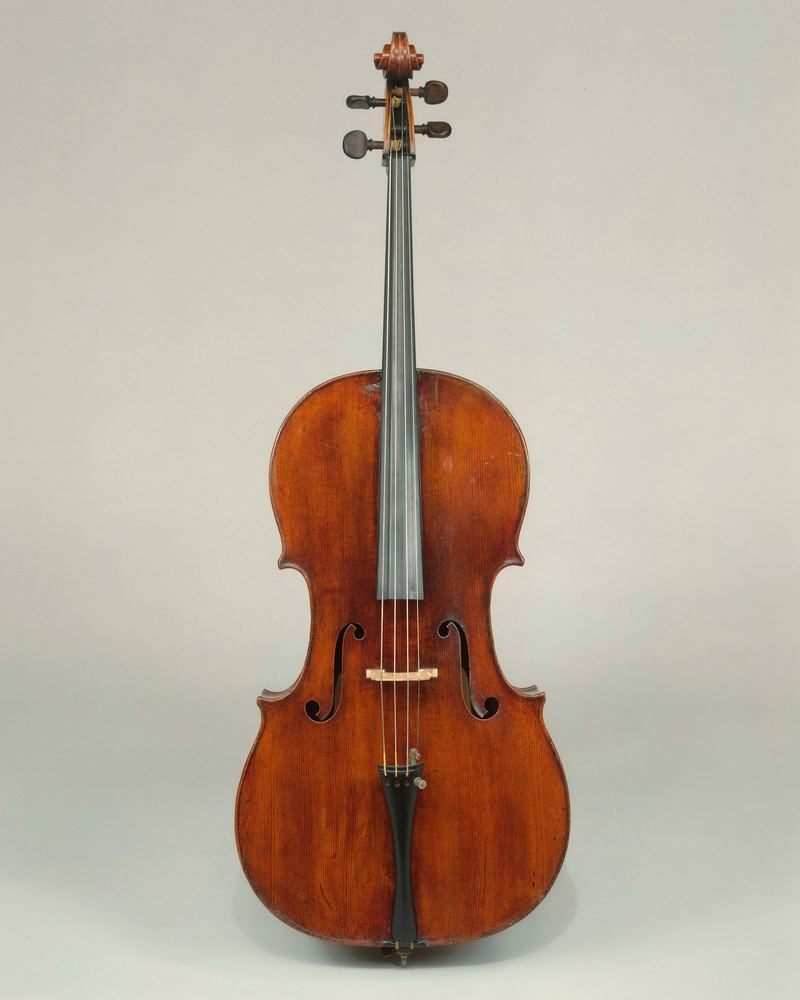
The instruments
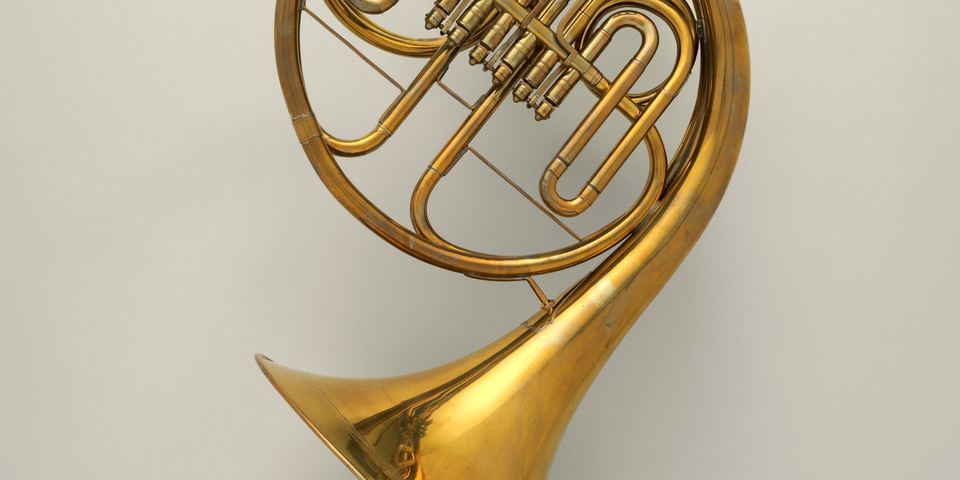
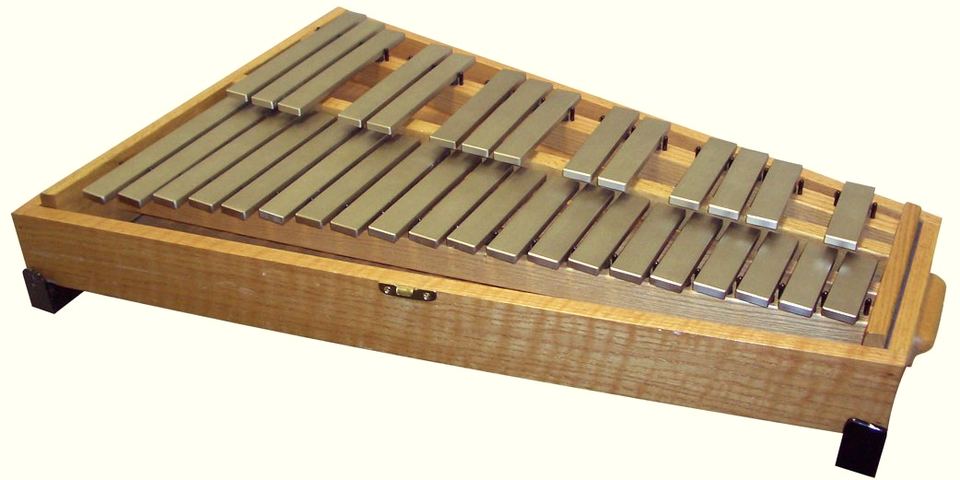
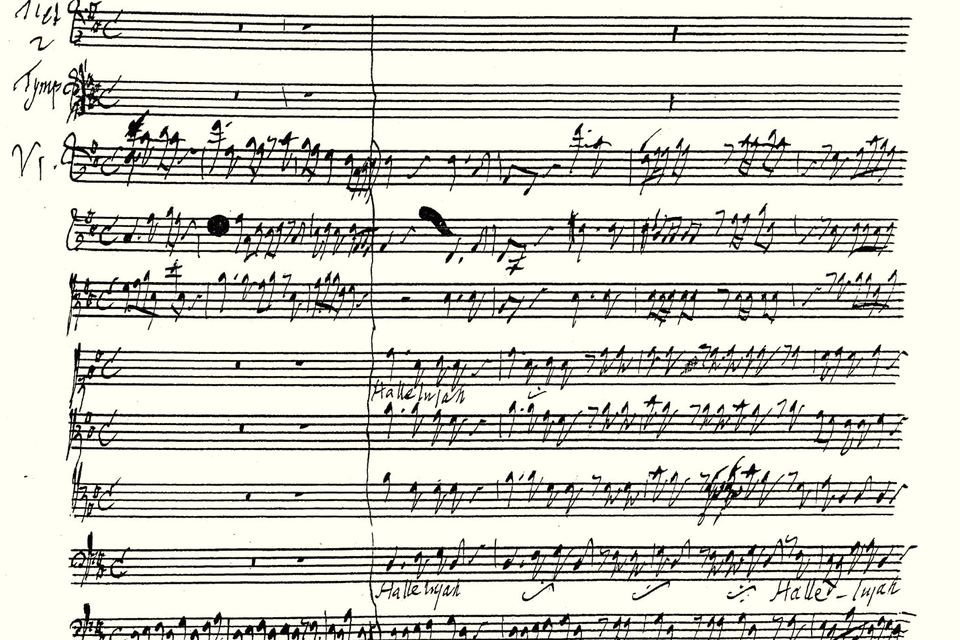
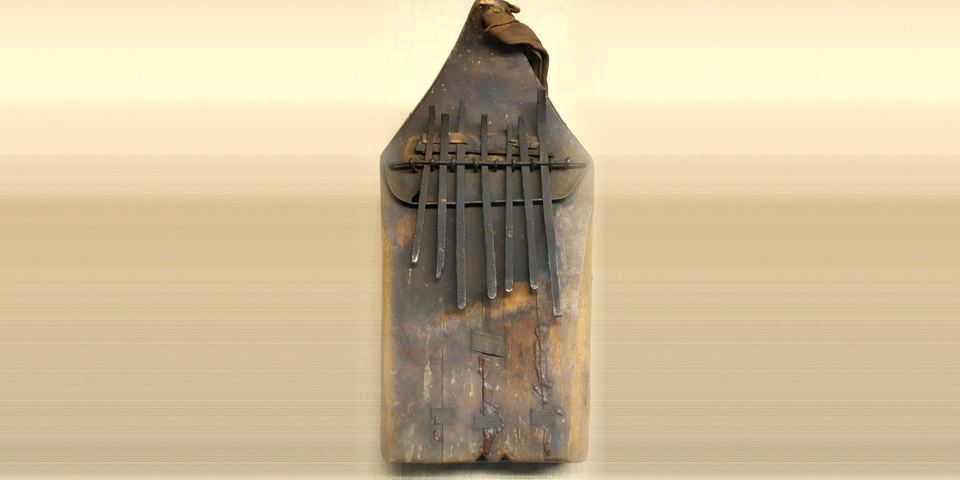
Photos: Wikimedia Commons and Unsplash
The melody across traditions
The same melody is played three ways. The first version is a Western chorale. The second version is Hindustani. It opens with an alap, which is a slow section with no regular beat. A section in teentaal follows. Teentaal is a rhythm cycle of sixteen beats. A tanpura drone sounds under the whole Hindustani version. The third version is a jazz bossa nova.
Western The melody is harmonized for four voices.
Hindustani The melody is ornamented. It slides between notes over a drone. A drone is a steady sound under the melody.
Jazz The rhythm is syncopated. Some notes fall ahead of the beat.
The three versions of the melody last between twenty and thirty seconds.
Tools for close listening
StemLab
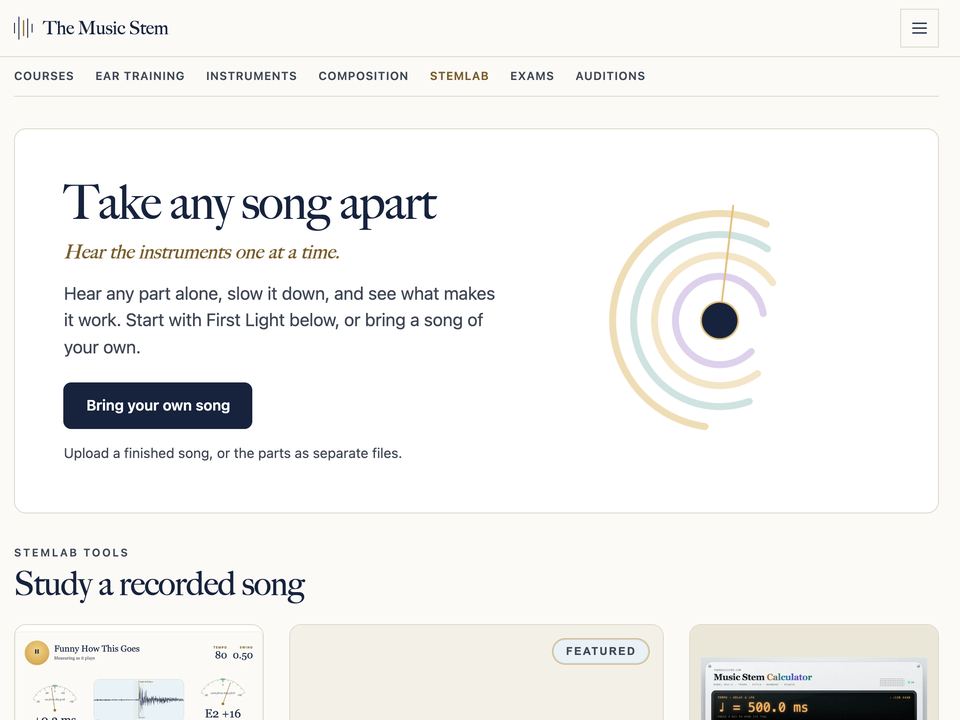
StemLab can play any part of a song alone. The parts include the voice, the bass and the drums. Students sing or play one part. StemLab measures the pitch and timing of their notes.
Timing in milliseconds
Students see how early or late their claps and notes fall against the beat. The tool measures the difference in milliseconds, which are thousandths of a second.
Pitch in cents
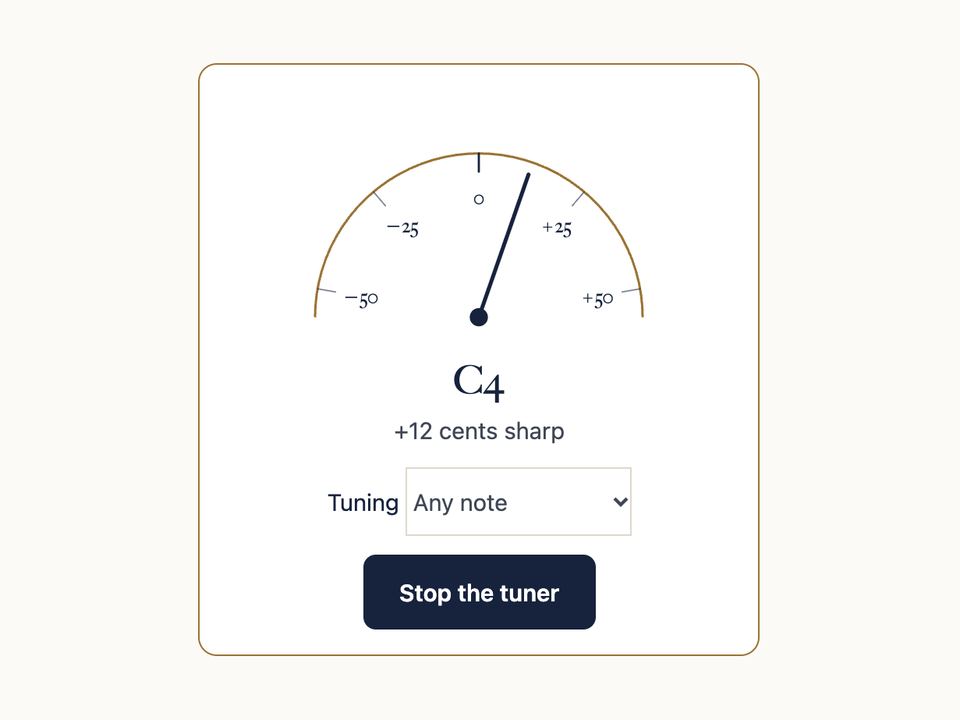
Singers see how many cents too high (sharp) or too low (flat) their notes are. A cent is one hundredth of a semitone. A semitone is the smallest step on a piano.
The tradition wheel
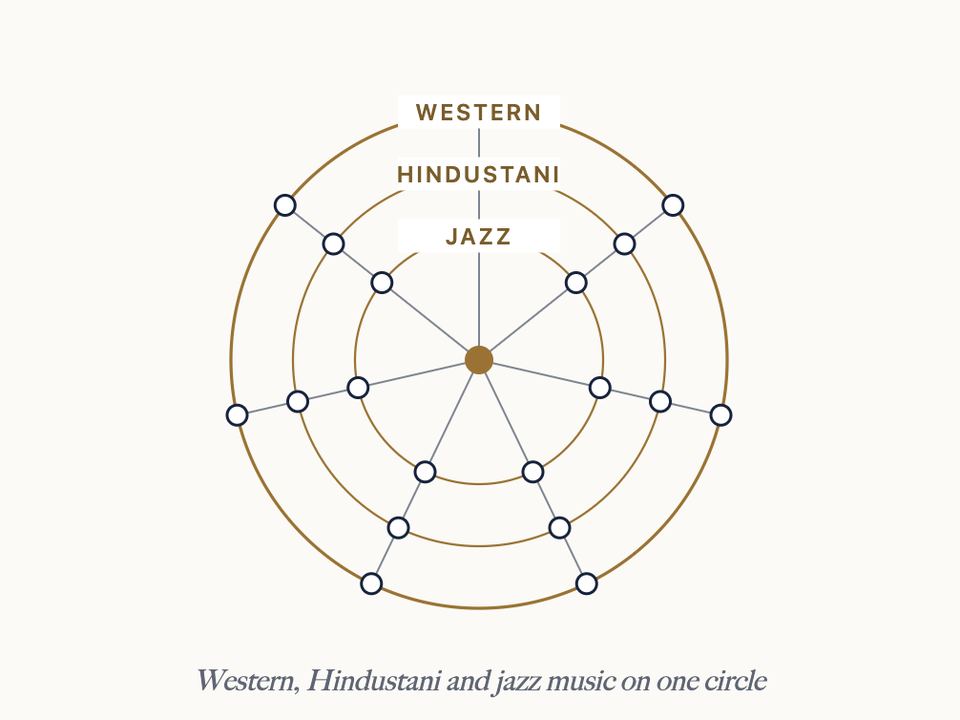
The wheel shows Western, Hindustani and jazz music as three rings that sit one inside another.
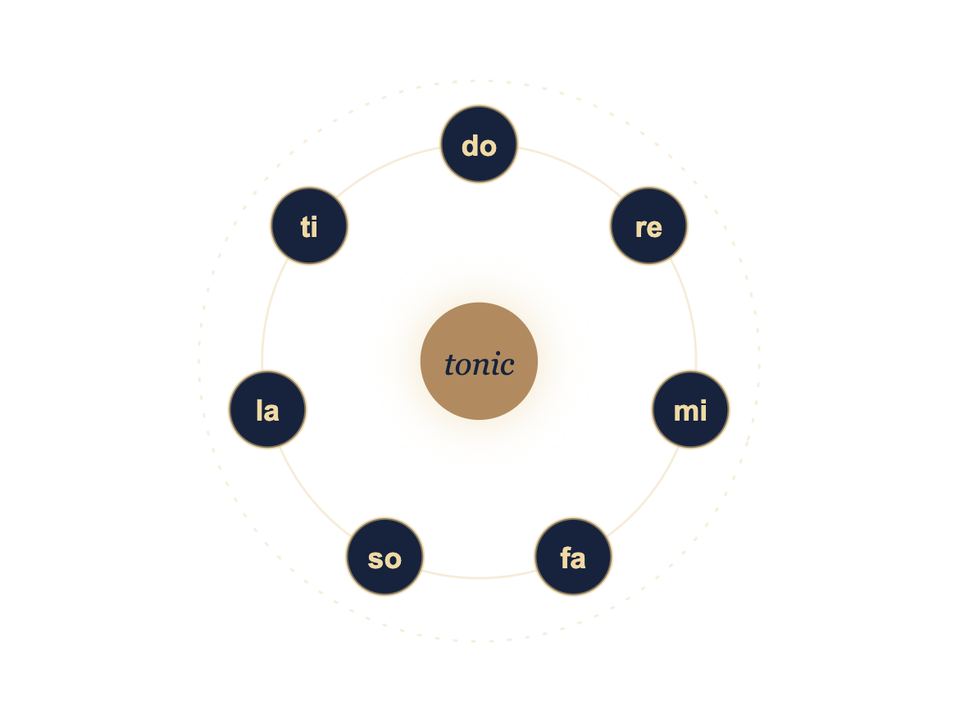
The solfège wheel
Western do re mi and Hindustani sa re ga share one circle. Students sing the same scale with both sets of names.
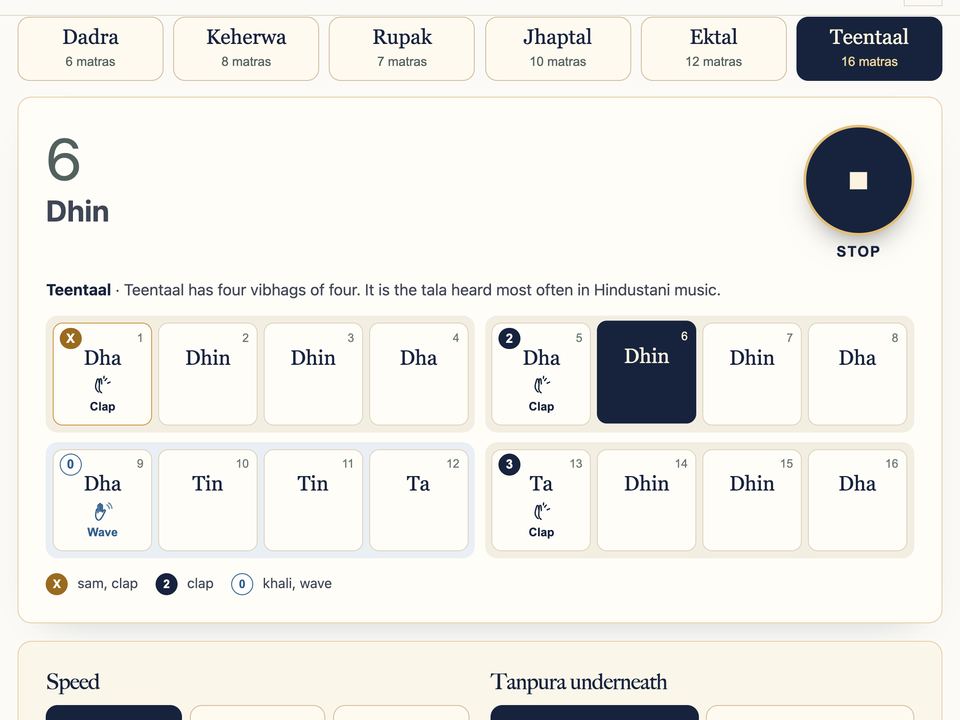
Tala player
The tala player sounds the rhythm cycles of Hindustani music. Students choose the tempo and the key. A tanpura drone holds that key.
The Listening Room
Choose a station. The music plays without a break.
Photos: Unsplash
Calm piano
Debussy · Clair de lune in D♭
Music: Envato (StanNau)
- Debussy · Clair de lune in D♭
- Piano in E♭ major
- Piano in A minor
- Piano · Andante
- Piano in C major
- Piano in D major
- String orchestra in B♭ major · Adagio
- Bach · Cello Suite
- Strings in E major · Hymn
- Solo violin
- String ensemble in E minor
- Piano with strings · Adagio
- Orchestra in F major
- Organ in D minor · Toccata
- Orchestra · film score
- Orchestra · Moderato
- Sitar over a drone in C
- World ensemble in D♭ major
- Flamenco guitar
- Gamelan ensemble
- Ukulele in A♭ major
- Hurdy-gurdy in C major
- World ensemble · Andante
- Acoustic ensemble · Moderato
- Ambient music in B♭ major
- Celtic harp
- Quiet ensemble in C major
- Sitar with flute in C
- Ambient ensemble in C major
- Quiet piano · Andante
- Singing bowls
- Quiet ensemble · Andante
- Native American–style flute in G minor
- Chopin · Nocturne in E♭ major
- Sitar over a drone in C
- Debussy · Clair de lune in D♭
To sing in tune, practice over the drone of a tanpura.
Original music
Funny How This Goes
Written and produced by Rosan Sharma
0:00 / 1:00
Switch an instrument off to hear what it adds to the song.
Private Mentorship
Rosan Sharma is a Berklee-trained musician. He meets with students in private video calls.
Bring your songs, your recordings or your plans for music college.
How the lessons work
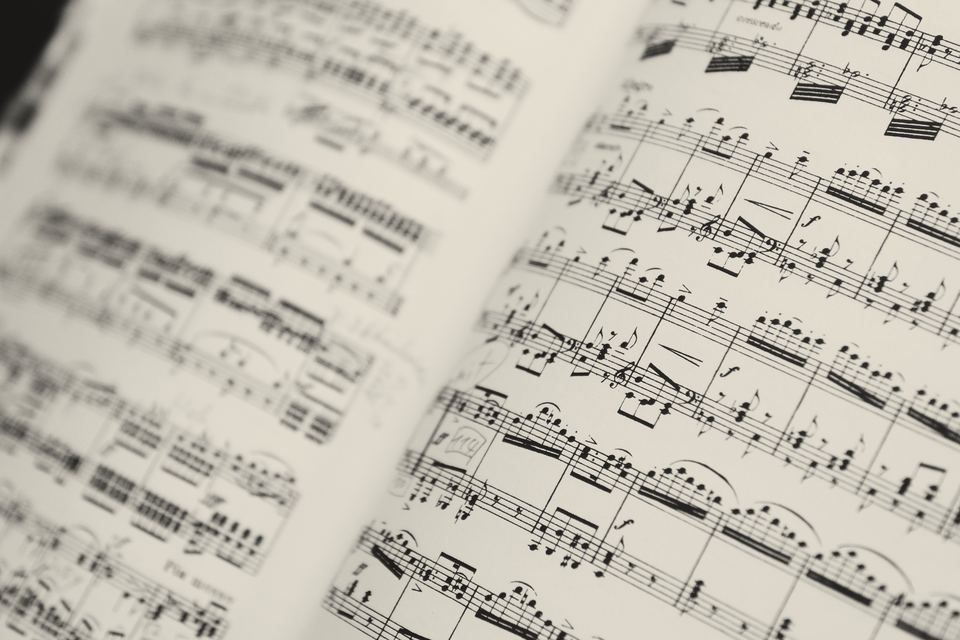
Lessons
Students hear an example and then perform it themselves.
Feedback
Students sing into a microphone or connect a digital piano with a cable. They see which notes were wrong and which notes came early or late.
Level tests
Students who pass the paid level test receive a certificate.
Photos: Unsplash and Wikimedia Commons