Musicologist
A musicologist studies music as history, as culture and as sound. An ethnomusicologist studies music within the communities that make it. Much of this study takes place through fieldwork. Careers in musicology include university teaching and research, archives, libraries, publishing, broadcasting and arts organizations. Most research posts require a PhD.
What musicologists study
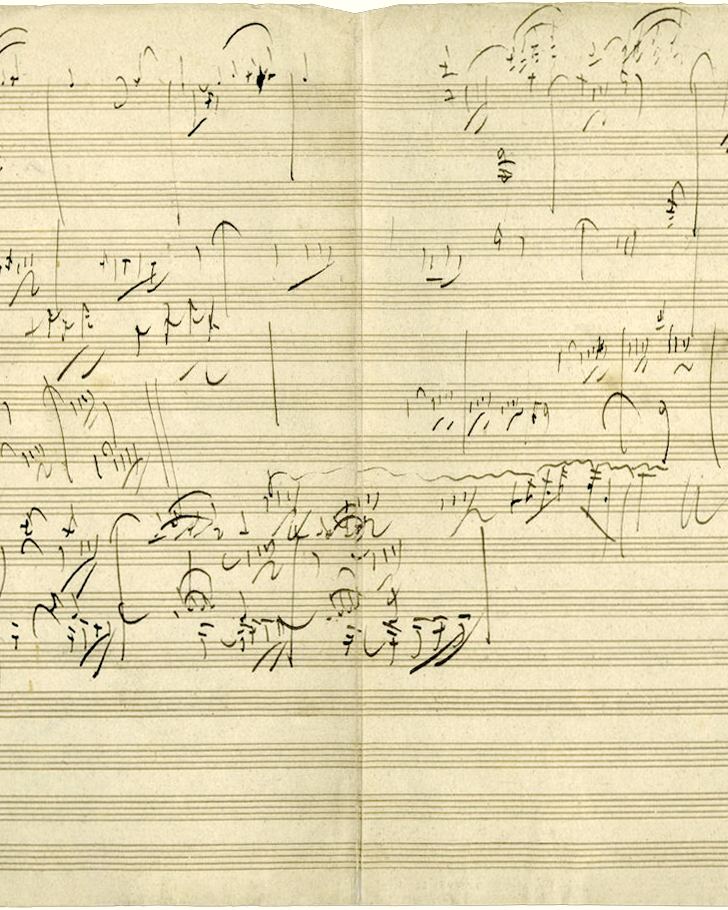
Historical musicologists study the music of the past. They read manuscripts and early editions, and they place works in their time.
Ethnomusicologists study music in its social and cultural setting. They often do fieldwork, which means time spent with a community to record its music and learn how it is used.
Music theorists study how music is built. Other musicologists study popular music, film music or the psychology of listening.
Where musicologists work
Many musicologists teach and research at universities and conservatories. Others work in libraries and archives, where they care for scores, recordings and papers.
Musicologists also work in publishing, where they prepare scholarly editions and books. Broadcasters, festivals and orchestras hire them to write program notes and to plan concerts.
The American Musicological Society describes careers in academic publishing, arts administration, libraries and consulting.
Skills a musicologist needs
- Research. Find, read and judge primary sources such as manuscripts and letters.
- Languages. Read sources in the languages of the music you study.
- Writing. Write clear articles, books and program notes.
- Analysis. Explain how a piece is built from its score or its sound.
- Fieldwork. Record, transcribe and document music with the consent of the community.
The training path for musicologists
A first degree in music, history or anthropology is the usual start. A master’s degree follows. Most research and university posts require a PhD in musicology or ethnomusicology.
Ethnomusicology students often learn to perform the music they study. They also train in recording and transcription.
Scholarly societies support the field. In the US, they include the American Musicological Society and the Society for Ethnomusicology. The Royal Musical Association serves the UK.
The International Council for Traditions of Music and Dance links scholars of traditional music around the world.
What decides a musicologist’s pay
Pay depends on the employer, which may be a university, a library, a publisher or a broadcaster. University pay follows the rank and the pay scale of the institution.
For university teaching in the United States, the Bureau of Labor Statistics publishes pay in its profile of postsecondary teachers. The UK profile of an archivist covers archive work.
Research at school
Choose a piece that you play or hear often. Find out who wrote it, when and for what occasion. Write short program notes for your school concerts.
Learn a second language. Ask your family or your community for permission, and record their music.
Reading on The Music Stem
Our World Music pages describe the music of many communities and list their sources. Theory practice for the higher grades covers harmony and analysis.
Check the terms of musicology
Choose one answer per question. The explanation appears below the correct answer.
What is fieldwork in ethnomusicology?
Fieldwork means time spent with a community. The ethnomusicologist records its music and learns how the music is used.
What do historical musicologists study first-hand?
Historical musicologists read manuscripts and early editions, and they place works in their time.
Which degree do most research posts in musicology require?
Most research and university posts in musicology require a PhD in musicology or ethnomusicology.
Common questions
What can you do with a musicology degree?
Graduates teach, research, write and edit. They work in libraries, archives, publishing, broadcasting and arts administration, and some move into the music business.
What is the difference between musicology and ethnomusicology?
Musicology is the broad study of music. Ethnomusicology is the branch that studies music in its cultural setting. Its research often takes place through fieldwork.
Do musicologists need to play an instrument?
Most musicologists are trained musicians. Reading a score and hearing what it describes require musical skill.
Are there many jobs in musicology?
University posts are few, and many graduates combine teaching with other work. Research and writing skills also serve libraries, publishers and arts organizations.
Can I study ethnomusicology without a music degree?
Some graduate programs accept applicants from anthropology or related fields. Check the entry requirements of the programs before you apply.
Music careersMusic librarianUniversity music facultyIndian musicLevel 6