Metronome
Set a slow tempo. Play the skank between the clicks.
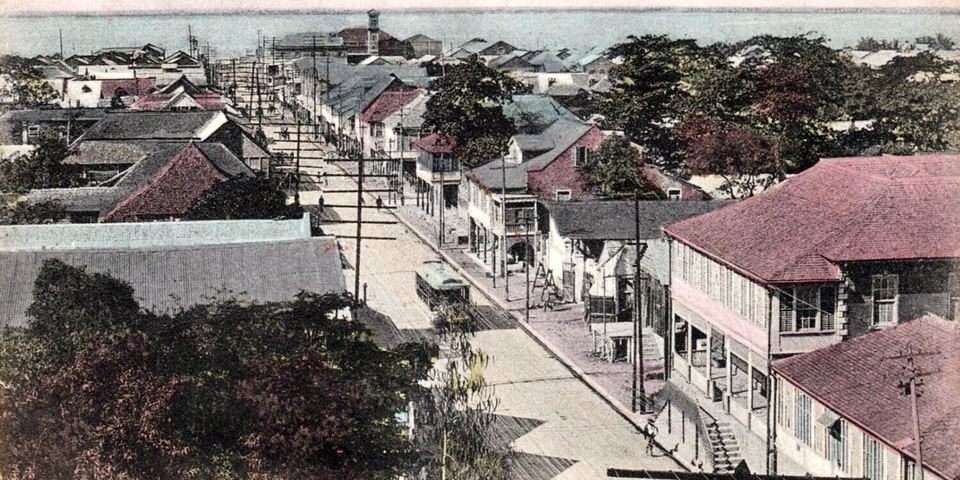
Ska is a popular music of Jamaica. It grew in Kingston from mento, the Jamaican folk music, and from American jazz and rhythm and blues. A walking bass line moves on the beats. The guitar and the piano play short chords on the off-beats. An off-beat is the “and” between two beats. A horn section plays the tunes.
This piece joins ska with rocksteady. Rocksteady is the slower style that followed ska in Jamaica. Count four beats, and clap on the “ands” between them.
Music: Envato
Count “one and two and three and four and”. The bass plays on the numbers, and it walks from note to note through the chord. The guitar and the piano play a short chord on the “and” between the beats. This off-beat chord is called the skank. The drums keep four beats in a bar.
Early ska kept the shuffle of rhythm and blues. A beat splits into three small parts, so the music swings. A Jamaican guitarist of the time imitated the two rhythms with syllables. He said that rhythm and blues goes “chink-ka” and ska goes “ka-chink”. The accent moved from the beat to the off-beat.
In the first pattern below, a low note on the piano walks on the beats, and a chord sounds on the off-beats. The second pattern plays the off-beat chords alone on the guitar.
A ska band has a rhythm section and a horn section. The rhythm section has drums, a bass, a guitar and a piano or an organ. Early bands played the upright double bass. The electric bass guitar came later.
The horn section plays the tunes. The Skatalites were the best-known studio band of Jamaican ska. Their horn section had a tenor saxophone, an alto saxophone, a trumpet and a trombone. Many of these players came from jazz, and they took solos between the tunes. Their trombonist Don Drummond wrote at least two hundred tunes within a few years. The horns also answer the singer with short riffs between the lines.
The recording below is an electric guitar pattern in the style of ska punk. Ska punk is a later and faster form of ska.
Mento was the folk music of Jamaica before ska. Its bands played banjo, guitar and hand drums. After the Second World War, Jamaicans heard American rhythm and blues on the radio. American military stations played it, and records came in from the United States.
Sound systems played this music at street dances in Kingston. A sound system was a mobile disco with large speakers and turntables. Its owner played the records. Producers such as Coxsone Dodd, Duke Reid and Prince Buster ran sound systems of their own.
When new American records grew scarce, the owners began to record Jamaican musicians. At first they cut the songs on soft wax. Soft wax was a single disc made for the dances. As demand grew, they issued the songs on small records. Within a few years the guitar moved to the off-beat, and the new beat became ska.
The first ska records came from Kingston studios such as Federal Records and Studio One. Ska was the sound of the years around Jamaican independence. Millie Small sang a ska version of “My Boy Lollipop”, and it became the first big Jamaican hit abroad. The origin of the word ska is uncertain. Several musicians of the time said that it imitates the guitar stroke.
American soul music later grew slower and smoother, and Jamaican musicians slowed ska down too. The slower style was called rocksteady. Reggae came out of rocksteady soon after.
Jamaican migrants carried ska to Britain. There the record label Blue Beat issued so many Jamaican records that British fans called the music bluebeat. In the English city of Coventry, the 2 Tone movement later joined ska with the speed and edge of punk. Its bands had Black and white members, and their songs spoke against racism.
A third wave of ska spread through the United States, Europe, Japan and Latin America. Most of its bands play fast. They use loud guitars and large horn sections. Ska punk came from this wave.
| Form | Where it grew | Character |
|---|---|---|
| Jamaican ska | Kingston | A shuffle beat with off-beat chords and jazz horns |
| Rocksteady | Kingston | A slower beat with a heavier bass line |
| Bluebeat | Britain | The British name for early Jamaican records |
| 2 Tone | Coventry in England | Ska at the speed of punk by bands of Black and white players |
| Third-wave ska | The United States and Europe | Fast songs with loud guitars and big horn sections |
| Ska punk | The United States | Punk rock with the off-beat chords of ska |
Jamaican musicians and fans used the words in the table during the ska years. Several of them are still in use in reggae.
| Word | Meaning |
|---|---|
| Skank | The short chord on the off-beat. Skanking is also the dance. |
| Mento | The rural folk music of Jamaica before ska |
| Sound system | A mobile disco with large speakers that played at street dances |
| Selector | The person who chooses the records at a dance |
| Soft wax | A single disc cut for a sound system before the song came out on a record |
| Rude boy | A young man of the Kingston streets in a sharp suit and a narrow hat |
| Bluebeat | A British name for early Jamaican ska that came from the Blue Beat label |
| Rocksteady | The slower style that followed ska |
| 2 Tone | The British ska revival that took its name from a record label |
Ska is dance music. The dance to ska and reggae is called skanking. Dancers bend the knees and step in place to the beat. Their arms swing in time with the off-beat chords, as if they were running.
Jamaican bands took the dance abroad. Byron Lee and the Dragonaires played ska at the New York World’s Fair. In Britain, young mods and skinheads danced to Jamaican records. Mods and skinheads were two British youth groups. They had their own styles of dress. The 2 Tone fans later skanked to faster songs in the clubs of English cities.
Start with the pulse as the piece plays. Tap your foot on the beats and count to four. Then clap softly on the “and” between the beats. If your claps line up with the short chords, you have found the skank.
Next, follow the bass. It moves on the beats and walks between the notes of the chords. Then listen for the melody. In Jamaican ska the horns usually play it, and the guitar and the piano stay on the off-beats. Last, listen to the drums, the bass and the skank together.
Music: Envato
On the guitar, play short upstrokes on the off-beats. Let the chords sound briefly. Stop it by easing the pressure of the fretting hand. Count the beats aloud as you play, and keep the off-beats even.
On the piano, play a low bass note with the left hand on the beats. Play the chord with the right hand on the “and” between the beats. The first pattern on this page shows the motion with the chords C, F and G. Keep the right hand light and short.
Many ska songs move at about one hundred twenty to one hundred sixty beats per minute. Start much slower with a metronome, and raise the speed in small steps.
Set a slow tempo. Play the skank between the clicks.
Kingston is the home of ska. In the ska years, Orange Street in the downtown area held many record shops, and Jamaicans called it Beat Street. Producers sold their new records there, and young singers came to the shops in search of a chance to record. Studio One stood on Brentford Road. The city later renamed the road Studio One Boulevard in honor of its founder.
The Jamaica Music Museum belongs to the Institute of Jamaica in downtown Kingston. It collects and presents the history of Jamaican popular music. In England, the Coventry Music Museum holds the whole output of the 2 Tone record label. There are now ska bands and festivals in Europe, in the Americas and in Japan.
Choose one answer per question.
Where does the ska guitar play its chords?
The guitar plays a short chord on the off-beats. This chord is called the skank.
Which Jamaican folk music came before ska?
Mento was the folk music of Jamaica before ska.
Which style grew from ska when musicians slowed it down?
Rocksteady is the slower style that followed ska. Reggae grew from rocksteady.
What was a sound system in Kingston?
A sound system played records at street dances. Its owners later recorded Jamaican musicians.
Ska is a Jamaican popular music. It has a walking bass, short off-beat chords on the guitar and the piano, and a horn section.
Ska is faster and busier, and its chords fall on the “and” after the beat. Reggae came later. It grew from the slower rocksteady style. It leaves more space in the rhythm, and its chords fall on beats two and four.
The skank is the short chord on the off-beat. The guitar, the piano or the organ plays it between the beats.
Drums, bass, guitar and piano or organ form the rhythm section. Saxophones, trumpet and trombone carry the tunes and the riffs.
Ska began in the recording studios of Kingston, Jamaica, and at the dances of its sound systems.
It is the second wave of ska, which began in Coventry in England. Its bands played ska rhythms at the faster speed of punk.
Blue Beat was a London label that issued many early Jamaican records. British fans used its name for the music as a whole.
Dancers skank. They bend the knees, step in place to the beat and swing the arms in time with the off-beat chords.
World MusicReggaeGuitar chordsBrass instrumentsLevel 2